An article from Science Daily reports that as the immune system is fighting one type of infection, another type of infection can be activated. Studies at Washington University in St. Louis show that mice with a latent infection by a “virus similar to human Karposi’s sarcoma-associated herpes virus” had that infection activated when the immune system was fighting a parasitic infection of Heligmosomoides polygyrus.
It seems that the herpes virus senses when the immune system is fighting it and moves from an active to a dormant state basically hiding from immunity. when the immune system is engaged with the parasite, the virus “senses” that the immune system is occupied and will revert to the active infection.
It is not clearly known how this directly relates to human disease, but it does show evidence of how complicated the relationships between physiological events can be in human health.
Click here to read the article.
Monday, July 28, 2014
Monday, July 21, 2014
Ewwww, That's Gross!!
In the area of treating intestinal disorders such as Clostridium difficile (C. diff for short), irritable bowel syndrome and other similar disorders, fecal transplants have been a topic of conversation for a long time. As gross as it may seem, the idea of reestablishing a balance of normal flora to the gut seems quite logical in treating disorders which stem from an imbalance of intestinal flora.
History shows documentation of fecal transplants from as early as the 4th century where Chinese doctors would have patients ingest a "yellow tea" made of water and feces after watching sick animal consume the feces of other animals. The most important aspect is "does it work?" In a report published in the American Society for Microbiology's mBioSphere journal, scientists are claiming success in that fecal transplant treatments cure around 90% of those patients with C. diff infections.
Studying the various relationships and contributions of gut flora to human physiology may yield a tremendous amount for problems which could potentially be solved with fecal transplants.
Read the full article here: http://mbioblog.asm.org/mbiosphere/2014/06/fecal-transplants-really-do-work.html.
History shows documentation of fecal transplants from as early as the 4th century where Chinese doctors would have patients ingest a "yellow tea" made of water and feces after watching sick animal consume the feces of other animals. The most important aspect is "does it work?" In a report published in the American Society for Microbiology's mBioSphere journal, scientists are claiming success in that fecal transplant treatments cure around 90% of those patients with C. diff infections.
Studying the various relationships and contributions of gut flora to human physiology may yield a tremendous amount for problems which could potentially be solved with fecal transplants.
Read the full article here: http://mbioblog.asm.org/mbiosphere/2014/06/fecal-transplants-really-do-work.html.
Monday, July 14, 2014
Watch out for ticks!
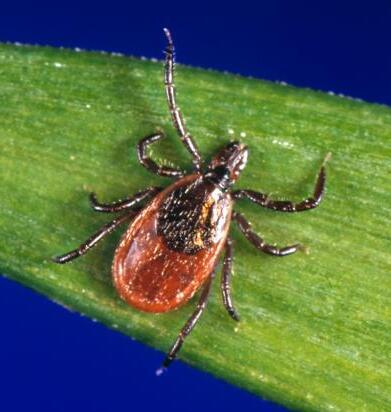
In an article published on the website of the Cary Institute of Ecosystem Studies in Millbrook, New York, getting bitten by a tick is now more dangerous than ever. Most people know that a tick check after hiking in the woods is a crucial component for reducing the risk of Lyme's disease, but it has now been confirmed that ticks can carry and transmit multiple pathogens.
Scientists discovered ticks which carry not only Borrelia sp. bacterium which causes Lyme's disease, but these ticks also were harboring Babesia sp parasites which cause babesiosis.
Saturday, July 5, 2014
Biologist create a bacterium with 6 nucleotide DNA.
Scientists at the Scripps Research Institute in La Jolla, CA have created a strain of Escherichia coli which has DNA made from A, T, G, C and two additional nucleotides they are calling X and Y. While these bacteria are not using these new genes to transcribe RNA or translate protein, they have successfully replicated the DNA containing these added nucleotides.
The idea is to expand the possibilities of synthetic proteins which could be biologically engineered in the future. Just like synthetic insulin is used today to reduce the cost to diabetics, this new genetic research could lead to other synthetic proteins which could be used in healthcare and/or manufacturing.
Read the original article here:http://www.wired.com/2014/05/synthetic-dna-cells/
The idea is to expand the possibilities of synthetic proteins which could be biologically engineered in the future. Just like synthetic insulin is used today to reduce the cost to diabetics, this new genetic research could lead to other synthetic proteins which could be used in healthcare and/or manufacturing.
Read the original article here:http://www.wired.com/2014/05/synthetic-dna-cells/
Tuesday, July 1, 2014
You are what you eat?
It turns out that diet affects the makeup of normal flora of the intestines. In an article titled "Variety in diet can hamper microbial diversity in the gut" from microbeworld.org, scientist are reported to have discovered that fish having a more diverse diet, seemed to have a less diverse community of microbes living in their gut. And, fish with a less diverse diet, had a more diverse gut microbiome. This information could be helpful as scientist continue to study the effects of our gut flora on our physiology and potentially lead to better probiotics and potentially treatments.
Click here to access the article on microbeworld.org, and here to see the original article on Phys.org.
Subscribe to:
Comments (Atom)